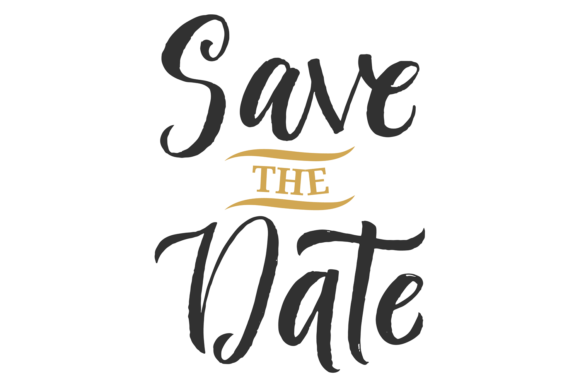
Wedding Invitation Calligraphy: Save the Date Design
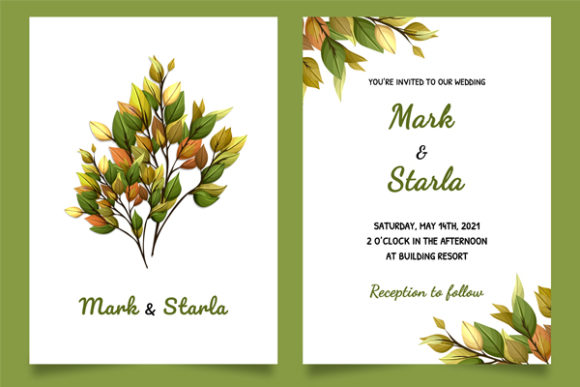
The moment a guest receives a wedding invitation, the typography sets the tone for the entire event. A beautifully crafted Wedding Invitation Calligraphy. Save the date design, featuring hand-drawn lettering isolated on a clean background, is more than just an announcement—it’s a powerful piece of visual communication that blends tradition with modern aesthetics.
In the realm of graphic design and typography, calligraphy represents a unique intersection of artistry and function. For designers, marketers, and creators, understanding how to leverage such assets is crucial for elevating any creative project. This specific style, with its elegant flourishes and organic lines, offers a solution for projects demanding a personal, premium, and emotionally resonant touch.
The Visual Impact of Hand-Drawn Lettering
Calligraphy elements are foundational in establishing a strong visual hierarchy. Unlike standard typefaces, hand-drawn lettering carries an inherent warmth and authenticity. When used in Wedding Invitation Calligraphy. Save the date materials, it immediately communicates care, attention to detail, and a bespoke quality. This makes it an invaluable asset for branding and logo design, where creating a unique identity is paramount.
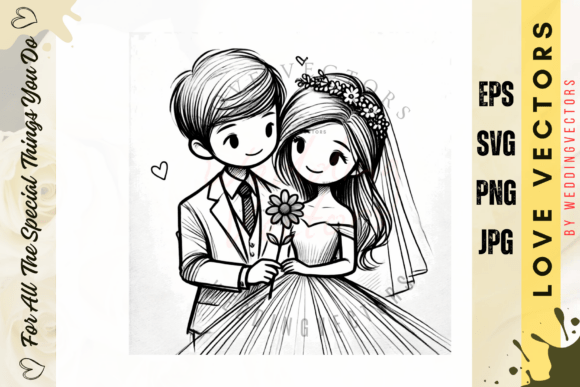
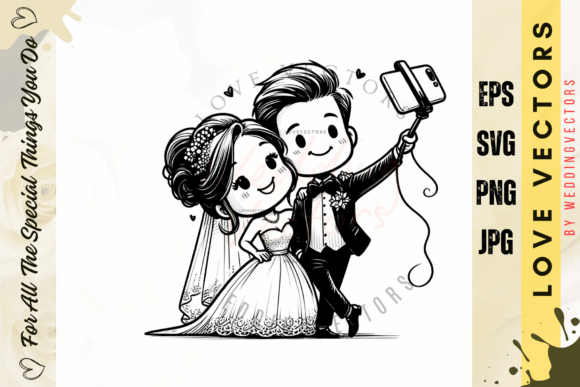
The versatility of these assets, often provided in formats like EPS, JPG, SVG, and transparent PNG, ensures seamless integration into any design workflow. A transparent PNG, for instance, allows a designer to overlay the elegant script onto complex color palettes or photographic backgrounds without cumbersome editing, enhancing both web design and print design projects.
Practical Applications Across Creative Projects
The utility of sophisticated calligraphy extends far beyond traditional stationery. Its application can significantly improve user engagement and brand perception across numerous platforms.
- Branding & Logo Design: A calligraphic monogram or wordmark can become the cornerstone of a luxury or artisan brand identity, setting a distinct tone.
- Social Media Graphics: Instagram stories, Pinterest pins, and Facebook ads gain a layer of sophistication and stop-scrolling appeal with elegant script overlays.
- Web & UI Design: Used strategically in hero sections or for special announcements, calligraphy guides the user's eye and enhances the overall user experience (UX).
- Packaging & Editorial Design: From cosmetic labels to magazine headers, this style adds a tactile, high-end feel to physical products and layouts.
- Digital Marketing & Presentations: Incorporating hand-drawn elements into email headers or slide decks can break monotony and reinforce a creative, professional presentation.
Tips for Selecting and Using Calligraphy Assets
Choosing the right typographic element is a critical design decision. To ensure consistency and effectiveness, consider these factors:
- Readability vs. Style: While elaborate scripts are beautiful, ensure the primary message remains legible, especially in smaller sizes for digital content or packaging.
- Scalability: Vector formats like SVG or EPS are essential for projects that require resizing, such as from a web banner to a large-format print advertisement, without losing quality.
- Brand Alignment: The style of the calligraphy should resonate with the project's overall aesthetics. A modern brand might opt for a cleaner, more fluid script, while a vintage theme could use a more ornate style.
- Composition: Balance the expressive nature of calligraphy with simpler sans-serif or serif fonts for body text to maintain a clear visual hierarchy and avoid clutter.
Ultimately, the thoughtful selection of creative assets like hand-drawn lettering is what separates generic design from memorable visual storytelling. By prioritizing quality typography and understanding its applications, designers and creators can craft communications that are not only seen but felt, strengthening brand identity and leaving a lasting impression on any audience.