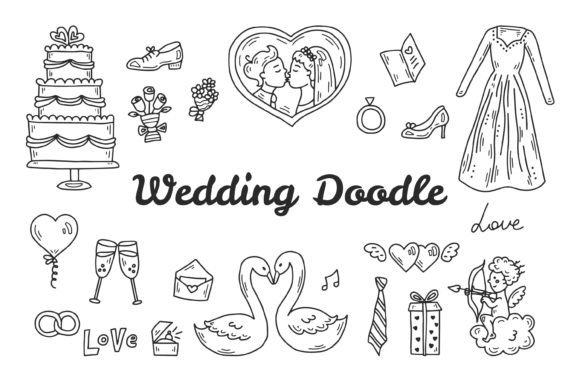
Wedding Doodle Clipart: Hand-Drawn Elements for Design
The Role of Hand-Drawn Elements in Modern Design
These sketch-style icons are more than decorative accents; they are functional design assets. Their simplicity ensures readability across various scales, from small social media graphics to large-format prints. The black line art, in particular, offers exceptional versatility—it can be easily recolored to match any brand palette or left as-is for a classic, elegant look.
Practical Applications for Creative Professionals
- Branding & Identity: Use the clipart to design unique logos, watermarks, or monogram seals that distinguish a wedding planning business, stationery brand, or floral studio.
- Marketing & Advertising: Create cohesive print and digital campaigns for bridal expos, venue promotions, or photographer portfolios with consistent, charming illustrations.
- Digital Presence: Elevate social media content, website headers, and email newsletters with custom graphics that stand out in crowded feeds.
- Product Design: Apply the elements to merchandise like tote bags, mugs, and apparel, or use them for sublimation projects and custom stickers.
- Editorial & Layout: Enhance wedding magazines, blogs, or lookbooks with decorative borders, spot illustrations, and infographics that add visual interest without overwhelming text.
Integrating Clipart into Your Design Workflow
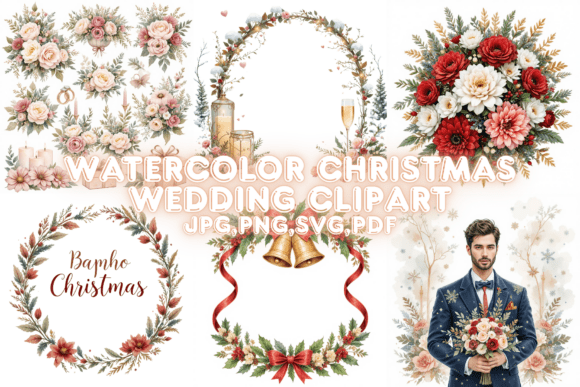
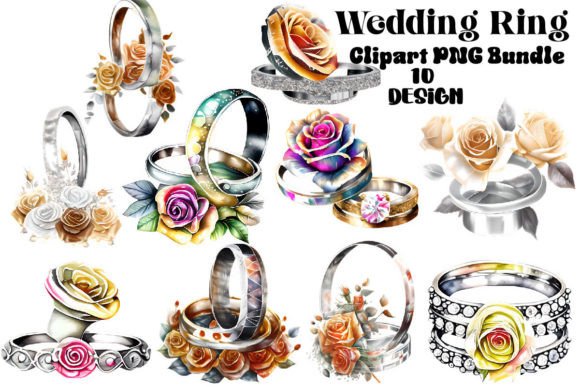
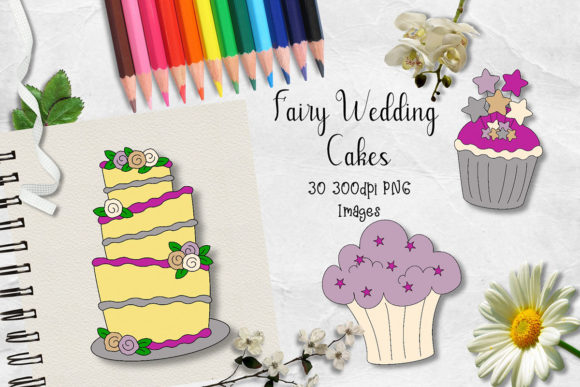
Evaluate each asset for scalability and clarity. The provided high-resolution 300 DPI files ensure crisp output for print, while the transparent PNGs offer seamless layering in digital design software. Always consider the context and audience; a playful doodle might suit a casual outdoor wedding invitation, while a more refined sketch could be ideal for a luxury venue’s brochure.
Key Considerations for Effective Use
- Consistency is Key: Stick to one or two primary styles from the collection to maintain a cohesive brand system and avoid visual clutter.
- Purposeful Placement: Use illustrations to support your message, not distract from it. They should guide attention and reinforce key information.
- Audience Alignment: Ensure the hand-drawn aesthetic matches the expectations and preferences of your target demographic.
- Technical Precision: Always check file compatibility with your design software and ensure proper resolution for the intended medium, whether it’s a website UI or a printed poster.